
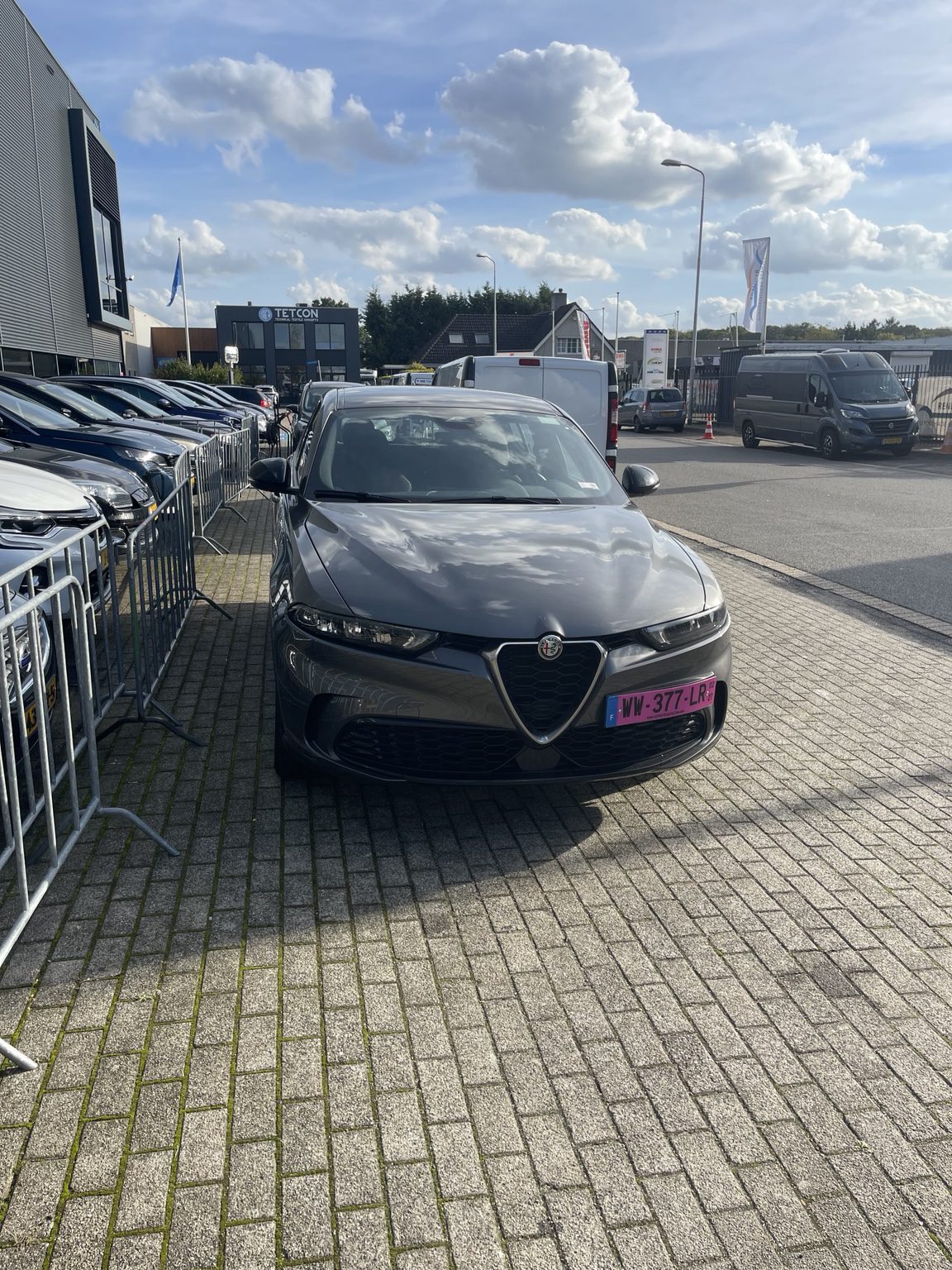
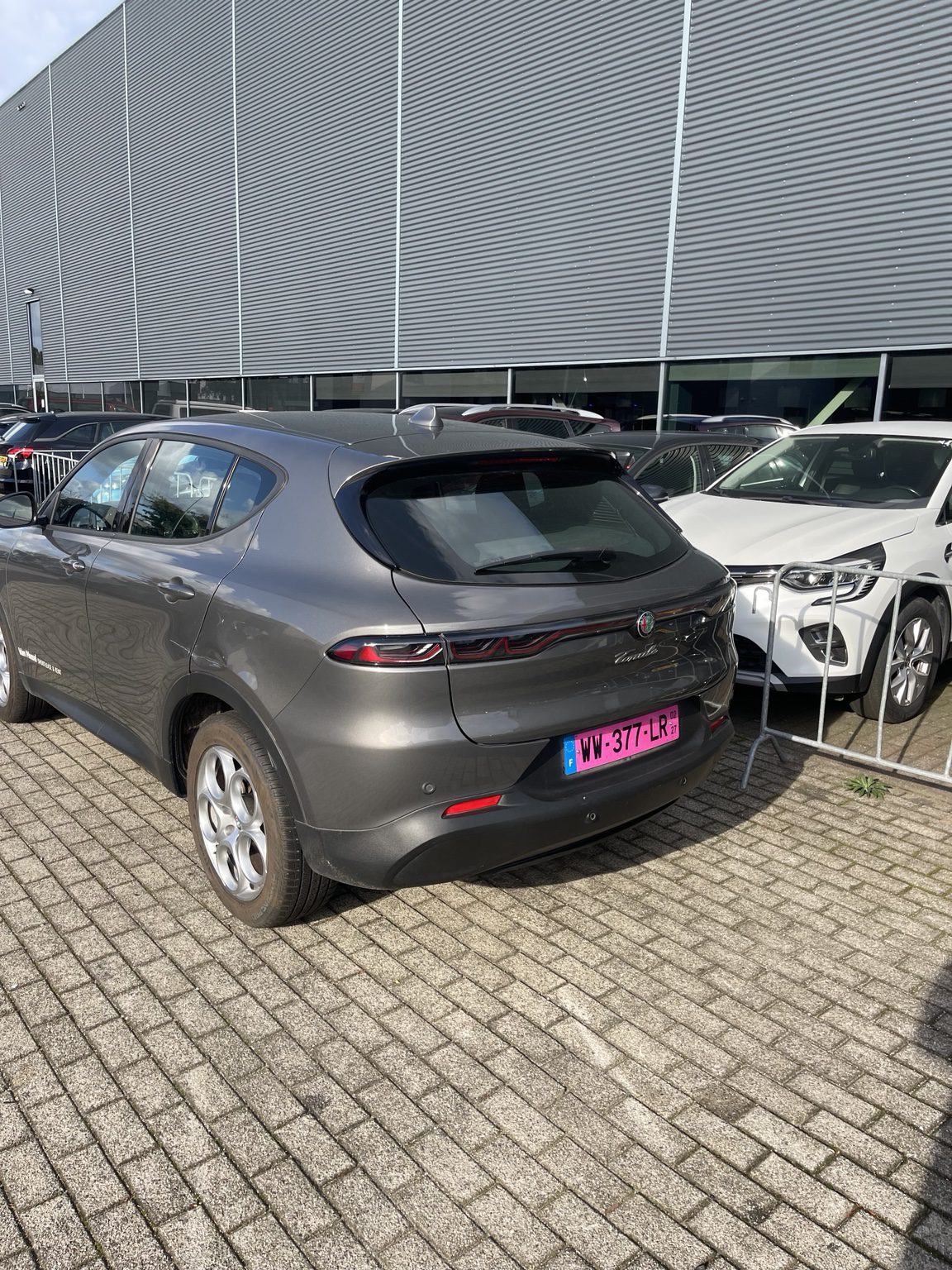
The front and rear photographs taken at Vlashuizen show the same Alfa Romeo with pink French WW plates. For someone collecting a car, the useful detail is the one you can check for yourself: the registration number on the front matches the one on the back. At a busy handover, go one step further and compare both with the registration document for the car in front of you.
Start at the vehicle
Ask the person handing over the keys to show you the vehicle identification number. Compare it with the vehicle details in your paperwork. Then read the registration number directly from the car and check it against the certificate. This is especially worthwhile when several similar cars are leaving the same forecourt.
Give the driver the journey details
A photograph is a useful record of how the car looked at handover. It cannot tell a driver whether insurance covers a particular journey. Confirm cover for the driver, travel dates and countries on the route with the insurer. Read the dates on the registration document itself. If someone else arranged the paperwork, make sure the person actually collecting the car has the instructions and knows whom to call if something does not match.
Start at the front and finish with the paperwork
The first photograph shows the Alfa Romeo facing the camera. The second shows the rear of the same car. Follow that sequence at your own handover. Work through one vehicle from start to finish instead of collecting several sets of keys and trying to identify the right cars afterwards. Take the document folder outside. Read the front plate, walk around and read the rear plate, then hold the paperwork alongside it. In a minute you have made a comparison that a photograph taken from one angle cannot give you.
Similar-looking characters and transposed digits are easy to miss in conversation. If there is any doubt, have one person read the number aloud while another follows it on the document. Directions such as “the grey one with the pink plates” quickly become ambiguous on a forecourt with several grey cars. The vehicle identification number, often shortened to VIN, gives you another reference for matching the folder to the car. Ask to see it on the vehicle while the person responsible for handover is still with you.
Decide who will check what
Imagine that the buyer made the arrangements but a colleague or family member will collect the car. The collecting driver can check whether a plate matches the document in front of them. They may have no idea which journey the buyer discussed with the insurer. Before collection, give them the seller’s contact name, the agreed time and the instructions about the paperwork they should receive. If another person will share the driving or the route changes, discuss that change with the insurer before setting off on the revised journey.
The same division of responsibilities matters on the seller’s side. One employee may have put the plates with the vehicle while somebody else is handing over the keys. Ask to see the documents when you are standing together at the car. The person who received an email attachment may have finished work by the time the driver arrives. A named contact who can answer a question about the file is more useful at that point than a series of photos scattered across different group chats.
If a detail looks wrong at collection
Imagine two neighbouring digits appear in one order on the paperwork and in the opposite order on the car. Describe exactly what you see. Tell the person responsible which document you have open and whether the discrepancy concerns the front plate, the rear plate or both. Keep the items together and ask whoever arranged the registration to compare the details. Decide about departure once you know which item belongs with the vehicle. A tight appointment with the next customer is a reason to call that customer, but it cannot resolve a discrepancy in the paperwork.
The last five minutes beside the car
Just before departure the keys often change hands more than once. Use that moment to go through the folder with the person who will be driving. Ask them to point out the vehicle document and make sure they know where to find the insurance information for this journey. If the buyer and the driver are different people, agree who will keep the paperwork after arrival. Check together whether the seller still needs to hand over any originals that you have only seen digitally. Finally, give the driver the contact details of the employee responsible. If anything turns out to be missing at the destination, they will know whom to call without having to explain the whole collection to a stranger.
Start your export registration application.
Frequently asked questions about dealer handovers
The photographs taken at Vlashuizen show an Alfa Romeo from the front and rear. The Dubai registration case concerned a Mercedes-Benz C63 AMG. The Alfa photographs illustrate the details you can check by walking around a car. To establish the history of an imported vehicle you need to examine the records that belong to that particular vehicle.
Ask the seller to point out the number on the car. Its location can vary from one vehicle to another. Have the document in your hand so you can compare the characters directly. A photograph sent by the seller only identifies the number in the picture. At a handover you want to identify the vehicle that is actually standing in front of you.
Give them the agreed vehicle details, the address, the correct entrance and the name of the person holding the keys. Decide who will be available to answer questions about registration and insurance. If your colleague will drive the vehicle, ask the insurer in advance whether the cover applies to that person and the proposed trip.
A photograph can help you recall which plates were fitted when the car was collected. Take it beside the relevant vehicle and keep it with its own file. For a picture you intend to share publicly, the vehicle itself is usually enough. Frame the picture so that paperwork on a dashboard does not reveal someone’s name, address or document numbers.
Contact the person responsible for handover at the site. Check whether someone will still be there who can release both the keys and the correct vehicle documents. Arrange another time if the papers are locked away or the responsible colleague has left. The driver can then decide whether it still makes sense to travel to the forecourt that day.
 English
 Dutch
 German
 French
 Serbian
 Portuguese
 Ukrainian
 Polish
 Romanian
 Spanish
 Italian